Full ingredients (INCI)
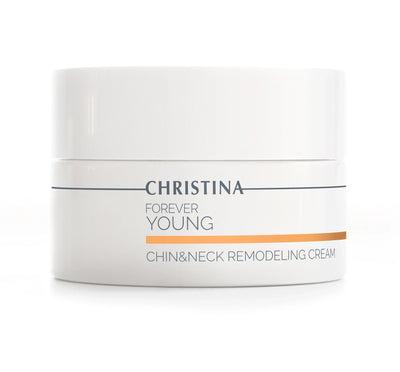
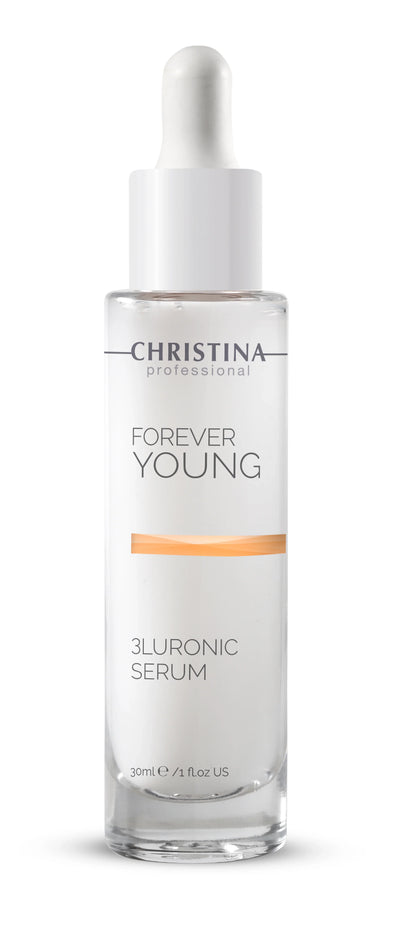
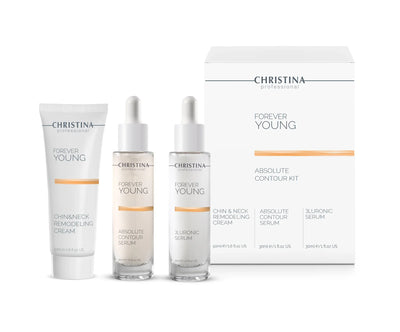
Serum Absolute Contour: Deionized water (Aqua), Propanediol, Methyl Gluceth-20, Saccharide Isomerate, Phenoxyethanol, Glycerin, Xanthan Gum, Caprylyl Glycol, Sodium Acrylate Copolymer, Butylene Glycol, Trifluoroacetyl Tripeptide-2, Dextran, Ethylhexylglycerin, Lecithin, Pentylene Glycol, Sodium Phytate, Glucose, Calcium PCA, Fucus Vesiculosus Extract, Manganese PCA, Zinc PCA, Magnesium PCA, Citric Acid, Sodium Citrate, N-Prolyl Palmitoyl Tripeptide-56 Acetate, Chlorphenesin, Resveratrol, Acetyl Hexapeptide-8, Lactic Acid/Glycolic Acid Copolymer, Palmitoyl Hexapeptide-52, Polyvinyl Alcohol, Palmitoyl Heptapeptide-18. Serum 3Luronic: Deionized water (Aqua), Isononyl Isononanoate, Hydroxyethyl Urea, Cetyl Alcohol, Polyacrylate Crosspolymer-6, Panthenol, Phenoxyethanol, Calcium Ketogluconate, Heptyl Glucoside, Albizia Julibrissin Bark Extract, Caprylyl Glycol, Glycerin, Sodium hyaluronate, Perfume, Ethylhexylglycerin, Sodium Phytate, 1,2-Hexanediol, t-Butyl Alcohol, Fucus Vesiculosus Extract, Manganese PCA, Zinc PCA, Calcium PCA, Magnesium PCA, Sodium Benzoate, Alcohol, Benzyl Salicylate, Alpha-Isomethyl Ionone, Citronnellol, Limonene. Krem remodelujący do szyi i podbródka: Deionized water (Aqua), Caprylic/Capric Triglyceride, Cetearyl Ethylhexanoate, Cetearyl Alcohol, Glycerin, Butyrospermum Parkii Butter, Glyceryl Stearate Citrate, Cera Alba, Phenoxyethanol, Cetearyl Glucoside, Sorbitan Tristearate, Tocopheryl Acetate, Persea Gratissima (Avocado) Oil, Polymethyl Methacrylate, Butylene Glycol, Sodium Acrylate Copolymer, Phytosterols, Caprylyl Glycol, Olea Europaea (Olive) Fruit Oil, Collagen, Glyceryl Caprylate, Lecithin, Ethylhexylglycerin, Sodium hyaluronate, Propylene Glycol, Sodium Phytate, Coco-Glucoside, Glucose, Honey Extract, Sodium PCA, 1,2-Hexanediol, Alcohol, Hydrolyzed Elastin, Calcium PCA, Magnesium PCA, Zinc PCA, Fucus Vesiculosus Extract, Manganese PCA, Glaucine, Glycogen, Serine, Sorbic Acid, Hexapeptide-9